Gelyka Dumaraos
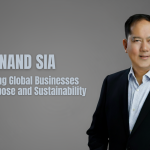
 The transition from a technical expert to a strategic leader is rarely a straight line. It is often a shift from the comfort of objective data to the vibrant reality of human motivation. For Ferdinand Sia, this growth was defined by a move from the precise logic of the balance sheet to the realization that enterprise value is built by people, not just by plans.
The Logic of Enforcement
In the early chapters of a career spent within large multinational operations, success had a very specific definition. It was the alignment of a forecast with actual results. In this environment, the world was seen through a lens of execution. Success meant achieving milestones on schedule, protecting profit targets, and ensuring every movement followed a predetermined blueprint.
For a leader rooted in finance, data was more than just information; it was the mechanism of enforcement. It provided clarity and discipline. The financial model served as the operating map, and performance was measured by how closely a team could stay within those lines. At that stage, excellence was found in plan realization, where the relationship with data was primarily one of accountability and control.
The Shift Toward Ownership
However, years of observing high-performing teams revealed a pattern that data alone could not explain. Two teams could have identical targets and resources, yet produce dramatically different outcomes. The difference was not found in the math but in the level of engagement. A financial model is a quantitative expression of a vision, but numbers do not execute themselves.

This realization changed the way Ferdinand viewed the role of the leader. He observed that when individuals feel they are simply following orders, they provide compliance. But when those same individuals help shape the plan, they take ownership. This sense of ownership drives effort that goes beyond the baseline. This was the turning point in his leadership philosophy: the understanding that engagement is a hard performance driver rather than a soft concept.
The Discomfort of Letting Go
Moving from a primary problem-solver to a leader who empowers others requires a significant change in mindset. For a technical expert, letting go of control feels risky because it introduces variability. There is a specific difficulty in accepting that an outcome can be excellent even if it was not engineered directly by the leader.
As Ferdinand’s style matured, he found that creating space for capable people allowed the work to expand. Innovation accelerated because thinking was no longer centralized at the top. Accountability became shared across the team. His role changed from fixing every problem to shaping the direction of the organization—clarifying priorities and ensuring the team remained aligned with the core strategy. In this view, delegation is a way to multiply the capacity of the entire group.
Balancing Rigor and Motivation
In the world of social impact and strategy, financial discipline remains essential. Capital allocation is a serious responsibility. However, Ferdinand has found that strict budgets and human motivation are not competing interests. When structured correctly, they reinforce one another.

He notes that high-performing teams require a few specific conditions to thrive. They need a clear understanding of why their work matters. They need the latitude to decide how to execute tasks within clear constraints. Finally, they need assignments that stretch their capabilities. When these elements are present, a budget becomes a design parameter rather than a barrier. Teams operate creatively within their limits because they are invested in the result.
Building for the Long Term
When a leader focuses on building the right conditions rather than managing every output, the energy of the organization changes. People stop waiting for approval and start solving complex problems proactively. The organization becomes adaptive, shifting from a reactive state to a proactive one where execution is faster because decision-making is decentralized.
For those focused solely on the bottom line, Ferdinand offers a perspective gained from years of global experience. While technical excellence can deliver results in the short term, building an institution that lasts requires the ability to mobilize talent. Spreadsheets are used to manage capital, but people are the ones who create value. Even the most sophisticated financial model cannot fix a team that is disengaged. True leadership matures at the intersection of business discipline and human commitment, striving to leave a mark that goes far beyond the numbers.