 Gelyka Dumaraos
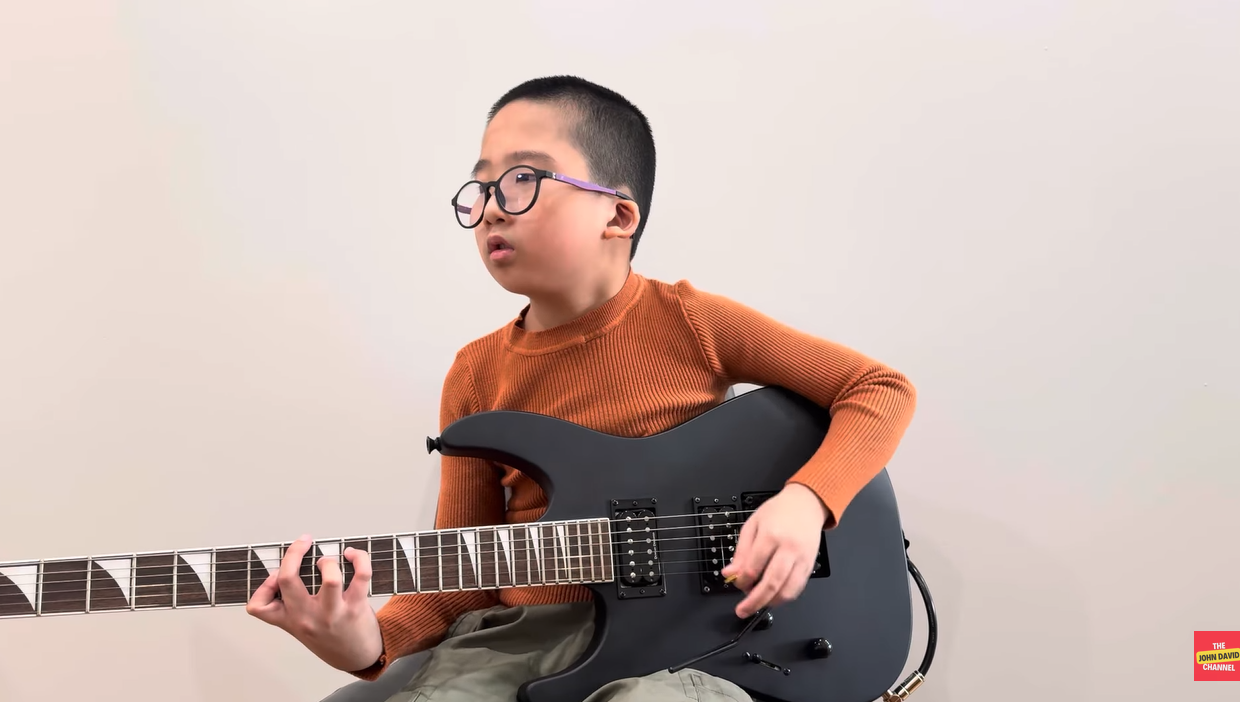
 If you walk into the Sia household on a typical afternoon, the air might be filled with the intricate, lightning-fast notes of a Van Halen solo or the soulful, melodic echoes of a blues track. At the center of this soundscape is eleven-year-old John David, a young man who has found his voice through six strings and a left-handed fretboard.
For many children, an interest in music is a fleeting phase, a hobby that competes with a dozen other distractions. But for John David, the guitar became a calling. His parents, Ferdinand and Gem Sia, recall the exact moment they realized this was something different. It was 2020, a year of forced stillness for the world. At just five years old, John David didn’t just pick up a guitar; he began a self-directed quest. Using YouTube as his first teacher, he was soon singing and playing “Jingle Bell Rock” with a natural ease that surprised everyone.

“He practiced every day, always excited to learn something new,” Ferdinand shares. “Not long after, he asked for a full-sized acoustic guitar and requested that we subscribe to a guitar-learning app—clear signs that his passion was both genuine and rapidly growing.”
The Path from “Jingle Bells” to “Eruption”
The leap from holiday tunes to the “shred” genre—a style of lead guitar playing known for its high level of technical complexity—is one that many adult musicians never quite complete. For John David, the progression felt less like a struggle and more like a series of conquered peaks.
By age eight, he had mastered Paul Davids’ “Desert Blues” on a full-sized guitar. By nine, he moved into the high-energy world of Guns N’ Roses. But it was at age ten that his skills truly entered a different league. He began tackling pieces like Van Halen’s “Eruption” and Buckethead’s “Soothsayer,” songs that are notoriously difficult and require immense physical coordination and mental focus.
Watching a ten-year-old perform these pieces is extraordinary because they demand a level of dexterity that usually takes a decade or more to develop. Shortly after his eleventh birthday, he moved on to “Jordan,” one of the fastest compositions in the guitar world. This isn’t just about fast fingers; it’s about the mental stamina to break down a wall of sound into individual, perfect notes.
The Architecture of a Day: Learning with Purpose
How does an eleven-year-old manage this level of musical growth alongside his studies? The answer lies in the intentional environment created by his parents. As a homeschooled student, John David’s day is built on a foundation of discipline and curiosity.
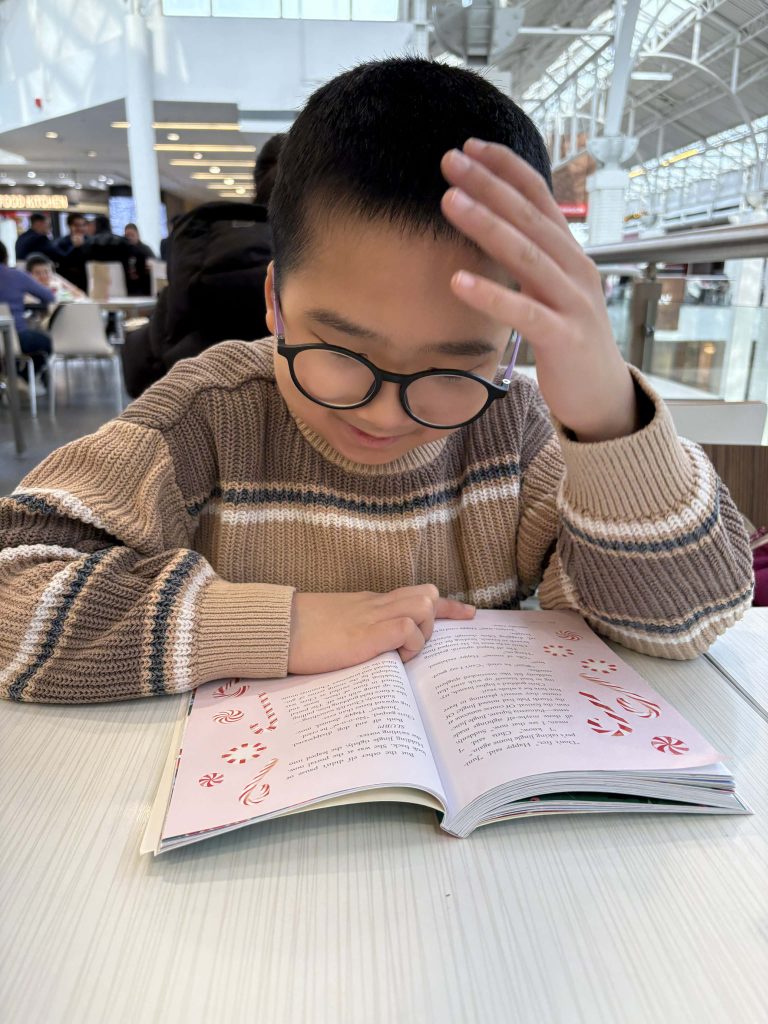
Ma’am Gem describes their approach as one that prioritizes a love for the process over the pressure of the result.
“My main goal is for John David to love learning. Every single day, we strongly encourage him to read—that’s a non-negotiable,” she says. “At home, we surround him with books that are well-written, wholesome, and rich not only in ideas but also in values such as hard work, kindness, self-discipline, and showing grace.”
This structure allows John David to approach his guitar practice not as a chore, but as a reward. He completes his coursework first, staying focused until his academic tasks are finished. Only then does he shift into music. His practice sessions are short but intense—typically 20 to 40 minutes of deep, focused work. He doesn’t skip around; he stays with one song until he masters it. This consistency is a trait he shares with his father, who has seen similar patterns of success in the global business world.
Related Read: Finding Balance Between Leadership and Family Life

Mentorship and the Left-Handed Journey
Every great talent needs a guide. While John David’s early days were self-taught, his parents made sure he had the right tools to go further. This included finding Coach Aman, a professional musician with a degree in Music, who meets with John David weekly to refine his technique and expand his musical vocabulary.
There is also the unique challenge of his equipment. John David is a left-handed player, which means his instruments—like his Jackson Soloist and his Ibanez JIVA10L—are specialized. These guitars provide the speed and tonal flexibility he needs for his favorite styles: shred, hard rock, and melodic pop-rock. Whether he is playing the high-energy riffs of Mr. Big or the expressive melodies on his Baton Rouge acoustic, his gear is an extension of his personality.
Character Beyond the Chords
While the technical milestones are impressive, Ferdinand and Gem are most moved by the person John David is becoming through his music. To them, the guitar is a teacher of life skills. It teaches patience because a complex solo cannot be learned in an afternoon. It teaches humility because there is always a more difficult piece to learn.

“Watching him learn something completely new and then play a full song that once seemed impossible is incredibly fulfilling,” Ferdinand reflects. “But even more meaningful is seeing the character that develops along the way—his patience, discipline, humility, and confidence. That growth is what makes this journey so special for us as parents.”
This musical path has also deepened his empathy. His parents notice how music has helped him stay calm, maintain a positive outlook, and—perhaps most importantly—become a better listener. He isn’t just listening to the notes; he is learning to listen to the people around him.
The Road Ahead: Purpose and Kindness
As John David looks toward the future, the goal isn’t necessarily to become a professional rock star—though the talent is certainly there. Instead, the focus is on staying true to himself. His parents hope he carries the lessons of perseverance and gratitude into whatever field he eventually chooses.
Ferdinand, drawing from his own experiences leading global organizations, reminds his son that discipline isn’t about external pressure. It’s about showing up every day, even in small ways. He wants John David to stay comfortable experimenting and trying new things, whether those are new musical genres or new ways of thinking.
The ultimate lesson they hope to pass on is one of substance over style. As Ferdinand beautifully summarizes: “Talent is a gift, but character sustains the journey. More than aiming for a destination, we want him to embrace the beauty of lifelong learning and to remember that the most meaningful success comes from passion, purpose, and kindness.”
In the story of John David Sia, the music is beautiful, but the message is even better. It’s a reminder that when we support a child’s natural curiosity and surround them with values of hard work and grace, they don’t just learn to play an instrument—they learn to walk through life with confidence and heart.
Related Read: Ferdinand Sia on Leading Global Businesses with Purpose and Sustainability